
Essential Guide to Water Heater Expansion Tank and How to Know If You Need One
Wondering if you need a water heater expansion tank and how to know if you need one? If you have leaks, fluctuating water pressure, or frequent relief valve discharges, you might need one. This article explains what a water heater expansion tank is, why you might need it, and how to recognize the signs.
Key Takeaways
- A water heater expansion tank is essential for managing thermal expansion, preventing pressure buildup that can damage plumbing systems.
- Signs that indicate the need for an expansion tank include frequent pressure relief valve discharges, fluctuating water pressure, and loud noises from the water heater.
- Professional installation and regular maintenance of an expansion tank are crucial for ensuring compliance with local codes, optimal system efficiency, and longevity.
Understanding Water Heater Expansion Tanks
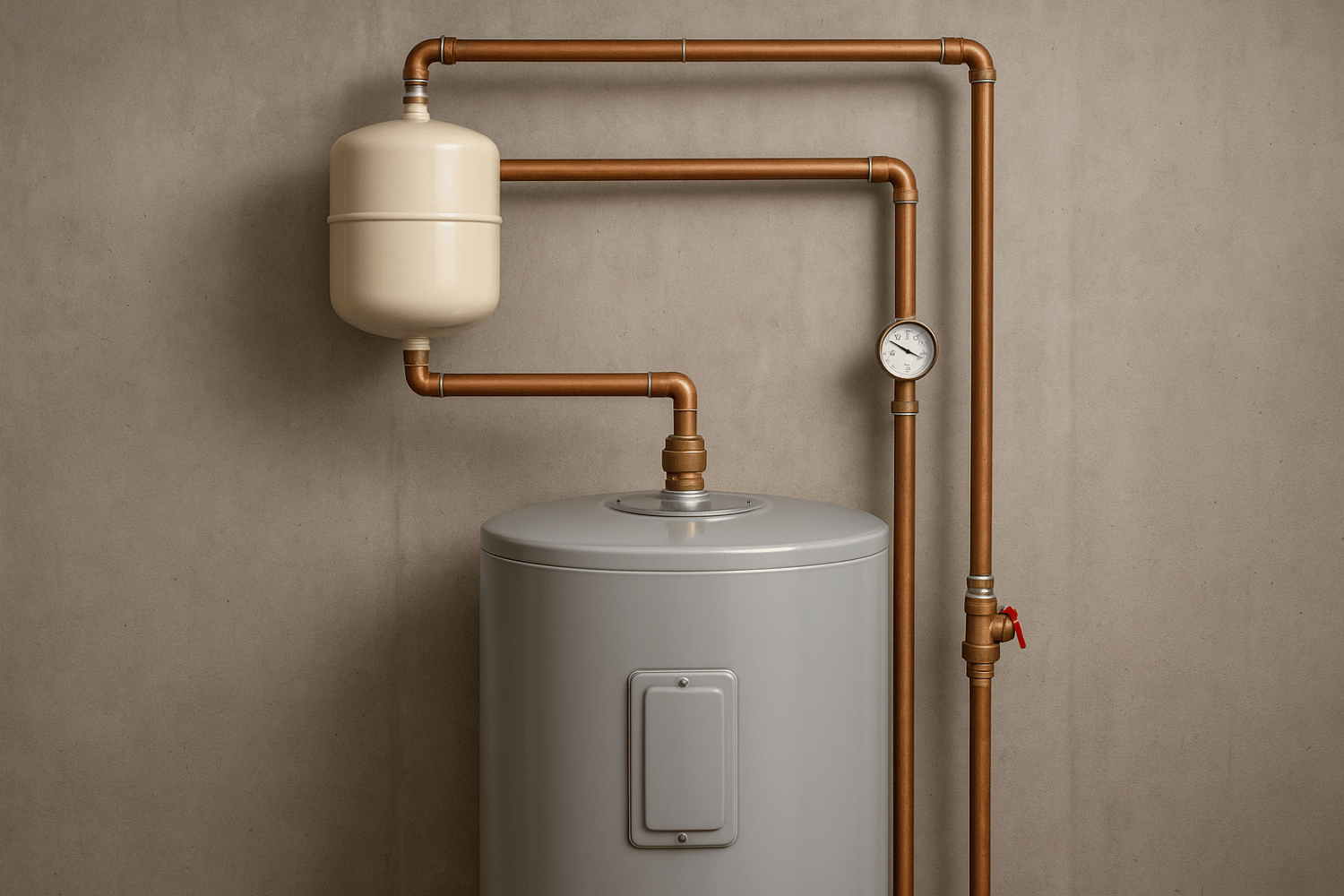
A water heater expansion tank is essentially a small container that holds pressurized air to accommodate the expansion of hot water. When water is heated, it expands, and without an expansion tank, this additional volume can cause significant pressure buildup in your plumbing system. This pressure can lead to damaged pipes, leaks, and even burst pipes, which can be costly to repair.
The primary purpose of an expansion tank is to protect your pipes from the stress of thermal expansion. As the water heats and expands, the excess water flows into the expansion tank, compressing an air cushion within the tank. This alleviates the pressure buildup, keeping your plumbing system safe and efficient. Expansion tanks are commonly made from materials such as steel or aluminum, ensuring durability and longevity.
In many areas, local codes require the installation of expansion tanks within water heater systems, making them a necessary component for compliance. Moreover, using an expansion tank can extend the life of your water heater and pump by reducing the strain caused by pressure or temperature surges. This not only helps in maintaining the efficiency of your hot water system but also prevents potential backflow contamination issues that can arise from excessive pressure.
Signs You Need a Water Heater Expansion Tank
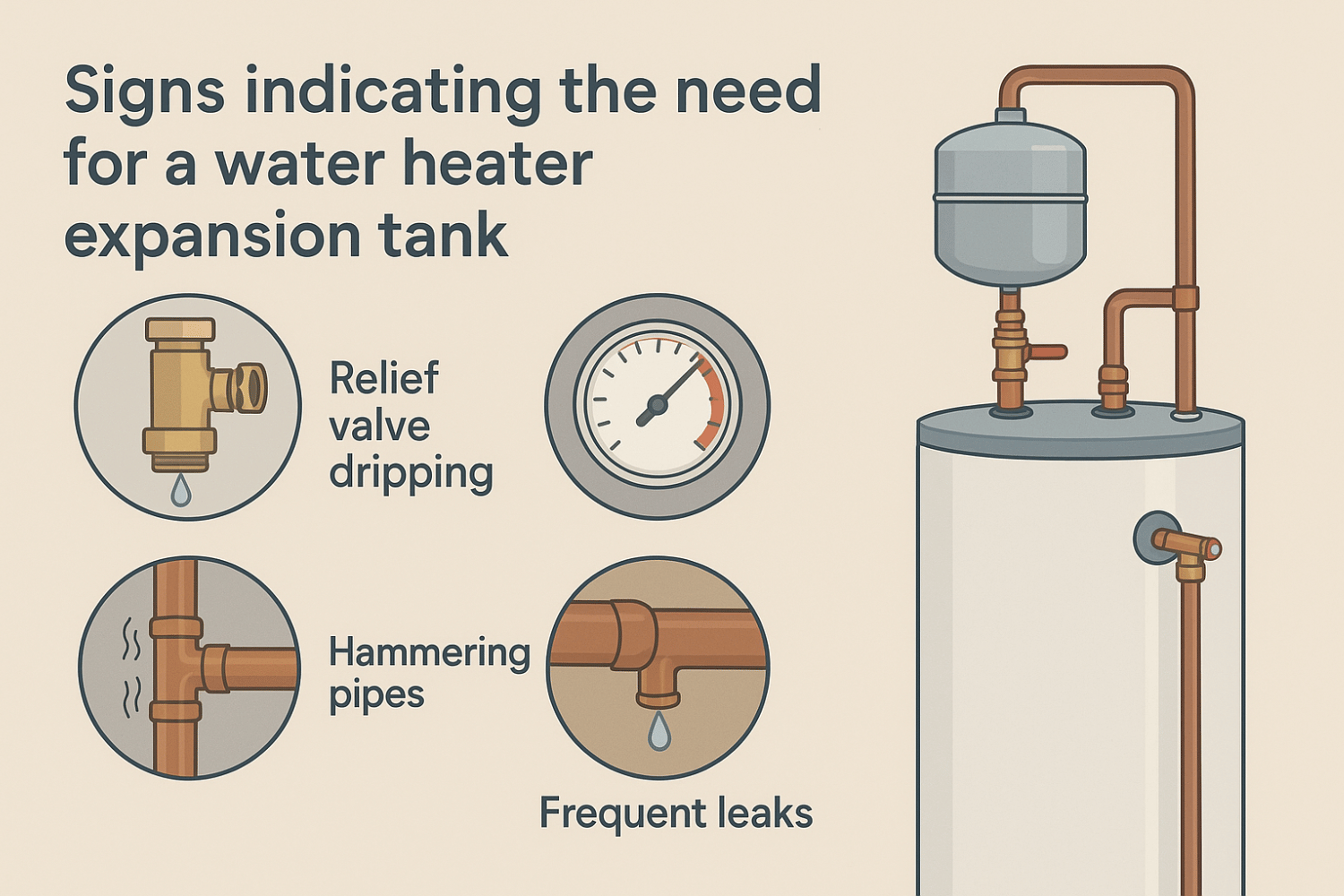
Recognizing the signs that you need a water heater expansion tank can save you from costly repairs and inefficient water heating. One of the most common indicators is frequent discharges from the temperature and pressure relief valve, which signal excessive pressure in the system. If you notice this happening often, it’s a clear sign that an expansion tank is needed to manage the thermal expansion of your hot water.
Fluctuating water pressure when using hot water is another sign that you might need an expansion tank. This can manifest as inconsistent water flow from your faucets or showerheads, making your daily routines less comfortable. High pressure can exacerbate these issues.
Additionally, loud sounds emanating from your water heater, such as banging or knocking noises, can indicate that the heater is struggling to manage the expanding water, thus necessitating an expansion tank.
Mineral buildup around plumbing fixtures is another red flag. This buildup occurs due to the stress that fluctuating pressure puts on your plumbing system, causing a risk of minerals precipitating out of the water.
Signs that you may need to install an expansion tank include:
- Drips and leaks
- Fluctuating water pressure
- Loud noises
- Mineral deposits
An expansion tank accommodates the increased volume of water as it heats, preventing pressure spikes and maintaining a stable and efficient hot water system. This is crucial because hot water expands, ensuring that the system operates smoothly.
Types of Water Heater Systems and Their Impact on Expansion Tank Needs
The need for a water heater expansion tank can vary based on the type of water heater system you have. Factors such as system configurations and water flow infrastructure play a crucial role in determining whether an expansion tank is necessary. Traditional tank water heaters, for instance, often require expansion tanks to manage the increased pressure that results from heating the water.
However, certain system setups, like those with pressure reducing valves, might mitigate the need for an expansion tank by keeping the system pressure below 80 psi. Understanding your specific water heater system and its requirements can help you make informed decisions and ensure that your plumbing system remains efficient and safe.
Open vs. Closed Water Systems
Water heater systems can be broadly categorized into open and closed systems, each with different requirements for expansion tanks. Closed water systems are characterized by water flowing one way into the home, often incorporating check valves and backflow prevention devices to ensure the water only flows in one direction. In such systems, an expansion tank is mandatory to prevent pressure buildup from the expanding water when heated.
In contrast, open water systems allow for free water expansion and flow, typically negating the need for an expansion tank. The structure of these systems permits the expanding water to move freely, thereby managing pressure naturally without the need for additional components. Thus, while a closed system requires expansion tanks to manage pressure, open systems generally do not.
Traditional vs. Tankless Water Heaters
When it comes to traditional versus tankless water heaters, the need for expansion tanks varies. Traditional water heaters, which store and heat a large volume of water, typically require expansion tanks to manage the pressure from thermal expansion.
On the other hand, tankless water heaters, due to their design and functionality, generally do not require expansion tanks as they heat water on demand and do not store hot water.
Choosing the Right Size Expansion Tank

Choosing the right size expansion tank is crucial for the optimal functioning of your water heater system. The typical size range for most homes is between two to five gallons, but several factors determine the exact size needed. These factors include the size of your water heater, the water pressure in your system, and the starting and ending temperatures of your water.
To properly size an expansion tank:
- Both its tank volume and acceptance volume must be greater than the calculated volumes.
- The acceptance volume of the selected expansion tank must exceed the calculated acceptance volume to ensure it can handle the extra volume created by the expanding water.
- If you’re unsure about the size, opting for a larger tank is generally a safe bet, as there are no negative impacts of having a larger thermal expansion tank.
Professional installation is essential to ensure that the optimal size and placement of the expansion tank are selected. An expert plumber can accurately assess your system’s needs and recommend the best solution, ensuring that your water heater system functions efficiently and safely.
Installation Process for Water Heater Expansion Tanks

Installing a water heater expansion tank involves several critical steps to ensure it functions correctly:
- Install the expansion tank in the cold water delivery pipe above the water heater.
- This placement allows the tank to effectively manage the pressure from thermal expansion.
- Mount the tank vertically, although it can be positioned horizontally if space is limited.
To prevent corrosion, especially when connecting dissimilar metal pipes, consider the following:
- Use a dielectric union.
- Install an isolation valve before the expansion tank to facilitate easier future maintenance.
- Ensure compliance with local plumbing codes.
Expert plumbers can help navigate these regulations to ensure a hassle-free installation.
Professional installation of the expansion tank not only guarantees compliance with local codes but also ensures that all components are correctly fitted and functioning. This meticulous process helps in preventing future issues and maintaining the overall efficiency of your water heater system.
Costs Associated with Water Heater Expansion Tanks
The costs associated with installing a water heater expansion tank can vary widely based on several factors. On average, the price for an expansion tank installation ranges from $150 to $450. The cost of the tank itself can vary based on size, with smaller models costing around $40 to $60 and larger tanks reaching up to $200.
Labor costs for installation typically range between $50 and $150, although this can vary based on local labor rates and the accessibility of your water heater system. In some areas, permits for installation are required, which can add extra costs ranging from $100 to $1,500.
These factors combined determine the overall cost of getting an expansion tank installed, making it essential to budget accordingly.
Maintenance and Replacement of Expansion Tanks
Regular maintenance and timely replacement of your water heater expansion tank are crucial for ensuring its longevity and efficiency. Signs that indicate a need for replacement include:
- Dripping water
- Mineral deposits
- Decreased water pressure
- Changes in water quality If water is bleeding from the air valve, it indicates a rupture in the tank bladder, necessitating a complete replacement.
To maximize the lifespan of your thermal expansion tank, consider the following:
- Match the tank’s pressure with the incoming water pressure.
- Regularly check for corrosion, as expansion tanks can deteriorate over time depending on the materials used.
- Have the tank professionally serviced to ensure thorough inspections and prevent future issues.
The typical lifespan of a water heater expansion tank is between 5 to 10 years, with most needing replacement every five to ten years. Regular maintenance not only extends the life of your expansion tank but also ensures the overall efficiency and safety of your water heater system.
Benefits of Installing an Expansion Tank

Installing a water heater expansion tank offers numerous benefits, significantly improving the safety and efficiency of your plumbing system. Key advantages include:
- Increased safety by diverting excess pressure from the pipes, preventing bursts and related accidents.
- Maintaining the integrity of your plumbing system by absorbing thermal expansion.
- Mitigating potential leaks.
Expansion tanks contribute to energy savings and system efficiency in several ways:
- Prevent pumps from overworking, thus reducing electricity waste.
- Maintain stable pressure, allowing the water heater to operate more efficiently.
- Lead to lower energy bills and extend the lifespan of the water heater.
- Help maintain a steady flow of hot water, enhancing comfort during use.
Testing and Troubleshooting Your Expansion Tank
Regular testing and troubleshooting of your expansion tank are crucial to ensure it functions correctly and efficiently. To maintain optimal water pressure and backflow redirection, consider the following:
- Test your expansion tank periodically.
- Listen for banging or knocking noises in the plumbing, which can suggest that thermal expansion is causing issues.
- Troubleshoot if such noises or issues are detected to maintain proper function.
One way to check the condition of your expansion tank is to monitor the air pressure; it should maintain a balance of half filled water and air for proper functionality. Tapping the top and bottom of the tank can also help determine if it is filling correctly. If you bleed air from the valve and water comes out, it indicates that the tank needs replacement.
Thorough testing should be performed post-installation to verify the expansion tank’s functionality in relieving system pressure. Regular checks and maintenance ensure that small issues are addressed promptly, preventing more significant problems and ensuring the longevity of your water heater system, including the check valve.
Professional Services for Expansion Tank Installation and Maintenance
Professional installation and maintenance of a water heater expansion tank are highly recommended to ensure proper function and compliance with local codes. Works Plumbing offers specialized services for water heater expansion tanks, providing expert installation and maintenance to keep your system running smoothly.
With over 20 years of experience, professionals at Works Plumbing offer reliable installation and maintenance services, prioritizing customer satisfaction through client-focused service. Opting for professional services ensures that your expansion tank is installed correctly and maintained regularly, preventing potential issues and optimizing the efficiency of your new water heater system.
Summary
In summary, a water heater expansion tank is a crucial component for managing thermal expansion and maintaining the efficiency and safety of your plumbing system. Recognizing the signs that you need an expansion tank, understanding its role, and choosing the right size are essential steps in optimizing your water heater system. Proper installation and regular maintenance further ensure the longevity and efficiency of your expansion tank.
By installing an expansion tank, you not only protect your plumbing system from potential damage but also enhance the overall comfort and efficiency of your hot water supply. Consider professional services to ensure proper installation and maintenance, keeping your water heater system running smoothly and efficiently.
Frequently Asked Questions
What is the primary purpose of a water heater expansion tank?
The primary purpose of a water heater expansion tank is to protect your plumbing by alleviating pressure caused by thermal expansion, allowing excess hot water to flow into the tank and compressing an air cushion. This prevents potential damage to your pipes.
How do I know if I need a water heater expansion tank?
You may need a water heater expansion tank if you experience frequent discharges from the temperature and pressure relief valve, fluctuating water pressure, loud noises from the heater, or mineral buildup around plumbing fixtures. Addressing these issues promptly can help maintain your system’s efficiency.
What types of water heater systems require an expansion tank?
Traditional tank water heaters and closed water systems require expansion tanks to manage pressure from thermal expansion, whereas open systems and tankless water heaters typically do not need them.
How do I choose the right size expansion tank?
To choose the right size expansion tank, ensure that both the tank volume and acceptance volume exceed your calculated volumes based on the size of your water heater, water pressure, and temperature ranges. If in doubt, selecting a larger tank is advisable.
What are the benefits of installing an expansion tank?
Installing an expansion tank enhances safety and reduces stress on plumbing systems, which prevents leaks and pipe bursts. This not only extends the lifespan of your water heater but also l

